
"annual output"
2000 article(s) found

Annual output of coffee in the Xidamo Shachiso region of Ethiopia
Shakisso/Shakiso is located in the Guji producing area of Sidamo, in the south of Oromia, close to Sidama and Gedeo. There are many pits in this area, which were used to mine gold in the early days, so there are many potholes in this coffee growing area. This makes people dangerous when walking between coffee growing areas. Shaquiso is Gucci / Sidamori.

Ethiopian Coffee Fine Coffee latest Coffee introduction Yega Xuefei Coffee beans
Yega Sheffield Coffee refers to the Yega Sheffield Coffee produced in Ethiopia. Yega Xuefei is the name of a local town. It is about 1700-2100 meters above sea level. Now Yejashafi coffee has become synonymous with Ethiopian boutique coffee. Although the Ethiopian Yirgacheffe coffee is petite, it is gentle and delicate and sweet. For coffee.

What is the annual output of Jamaican Blue Mountain Coffee? How to buy authentic Jamaica Blue Mountain Coffee?
For more information on coffee beans, please follow the coffee workshop (Wechat official account cafe_style). We have to first mention the managers of the Jamaica coffee industry board (CIB) coffee industry in Jamaica. Its establishment is of great significance to the coffee industry in Jamaica. It has set up the quality standards for Jamaican Blue Mountain Coffee, Alpine Coffee and

Introduction to the Flavor of Ethiopian Yega Xuefei Fine Coffee the taste of Yega Xuefei coffee
Although the Ethiopian Yirgacheffe coffee is petite, it is gentle and delicate and sweet. As the hometown of coffee, thousands of years of planting history and processing tradition in Ethiopia have created high-quality washed Arabica beans. Light baking has unique sweet aromas of lemon, flowers and honey, soft acidity and citrus flavors, fresh and bright on the palate. Without

The characteristics of Essex Coffee Yega Snow Coffee Manor
The natural characteristics of coffee beans include large

Which origin of coffee beans is better? Essel coffee beans have unstoppable aroma.
Professional coffee knowledge exchange more coffee bean information please follow the coffee workshop (Wechat official account cafe_style) front street-Ethiopian coffee features the word coffee comes from the Ethiopian national place name Kaffa, a shepherd accidentally found wild coffee here, gradually, coffee spread all over the world. Ethiopia is the famous Arabica.

Introduction of Ethiopian Coffee Grinding scale treatment Variety Taste Manor
In Ethiopia, the grading and quality control system of coffee is divided into three levels: producer, regional and national. All coffee is inspected by local inspection agencies before leaving the country of origin, and then re-tested at the coffee inspection and grading centers in Addis and Diredawa to determine its quality grade. Coffee is graded before auction and sale, for all involved in production, acquisition,

The characteristics of Ethiopian Coffee Flavor and Taste Manor introduce the varieties of Ethiopian coffee
The natural characteristics of coffee beans include large coffee beans.

Introduction to the flavor of Ethiopian coffee
Coffee is Ethiopia's most important export cash crop and the main source of Ethiopia's foreign exchange earnings. Ethiopia's coffee exports account for about 3% of the world market, making it the eighth largest coffee exporter in the world. Coffee exports increased steadily from 58000 tons in 1990 to 110000 tons in 1995-1996 and remained at this level in the following years. 2001-2002

Ethiopian Coffee Boutique Flavor Manor Producing Area Taste Introduction Ethiopian Coffee Brand
1. Limu coffee grows between 1400 meters and 2000 meters above sea level. washed coffee. Excellent quality, with intense nutty aromas, moderate acidity and wine intensity. Annual production of 29,000 tons. Gima coffee grows between 1400 and 1800 meters above sea level. Sunburn coffee. Slightly sour, nutty and long finish. Annual production of 70,000 tons. 3. Gambi Coffee

90 + Danqi Meng Coffee Bean varieties treated by description of taste and flavor
90 + Danqi Meng Coffee Bean Taste and Flavor description method 90 + is a vertically integrated coffee bean manufacturer with a very good reputation and reputation in the world, focusing on the production of boutique coffee, and committed to establishing a deep and long-term relationship with farmers. Since its establishment in 2007, it has frequently scored more than 90 points in Coffee Review, large and small coffee in the world.

Ethiopian boutique coffee Ethiopia boutique coffee flavor Ethiopian boutique coffee
Coffee is Ethiopia's most important export cash crop and the main source of Ethiopia's foreign exchange earnings. Ethiopia's coffee exports account for about 3% of the world market, making it the eighth largest coffee exporter in the world. Coffee exports increased steadily from 58000 tons in 1990-91 to 110000 tons in 1995-96 and remained at this level in the following years. 2001-2002

Ethiopian fine coffee with intense nutty aromas Taste Introduction
Coffee is Ethiopia's most important export cash crop and the main source of foreign exchange earnings. Ethiopia's coffee exports account for about 3% of the world market share, making it the eighth largest coffee exporter in the world. Coffee exports increased steadily from 58,000 tons in 1990-1991 to 110,000 tons in 1995 - 1996 and remained at that level for the next few years. 2001 - 2002

Ethiopian Limu Coffee introduces the Manor of Coffee producing area
Coffee is Ethiopia's most important export cash crop and the main source of Ethiopia's foreign exchange earnings. Ethiopia's coffee exports account for about 3% of the world market, making it the eighth largest coffee exporter in the world. Coffee exports increased steadily from 58000 tons in 1990 to 110000 tons in 1995-1996 and remained at this level in the following years. 2001-2002
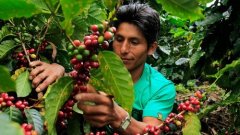
A brief introduction to the unique fragrant Ted Manor in the coffee producing area of Sidamo, Ethiopia
Ethiopian people are addicted to coffee. In 2003, domestic consumption accounted for 42.3% of the total output, with a per capita consumption of 3 kg. But more than half of the coffee produced each year is used for export to earn foreign exchange. The main exporters include the United States, Italy, the United Kingdom, Sweden, Norway, Greece, France, Belgium, Germany and Australia. Coffee is Ethiopia's most important export cash crop, and it is Ethiopia's foreign exchange income.
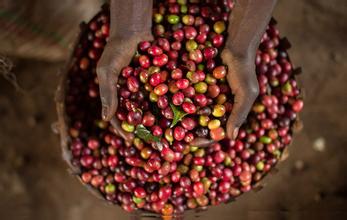
Boutique coffee beans Ethiopian coffee the latest coffee introduction unique flavor
Coffee is Ethiopia's most important export cash crop and the main source of Ethiopia's foreign exchange earnings. Ethiopia's coffee exports account for about 3% of the world market, making it the eighth largest coffee exporter in the world. Coffee exports increased steadily from 58000 tons in 1990 to 110000 tons in 1995-1996 and remained at this level in the following years. 2001-2002

The growing environment of coffee trees in Ethiopia introduces Ted Manor
Coffee is Ethiopia's most important export cash crop and the main source of Ethiopia's foreign exchange earnings. Ethiopia's coffee exports account for about 3% of the world market, making it the eighth largest coffee exporter in the world. Coffee exports increased steadily from 58000 tons in 1990 to 110000 tons in 1995-1996 and remained at this level in the following years. 2001-2002

Ethiopian coffee bean producing area of Ethiopian coffee bean flavor manor
Coffee is Ethiopia's most important export cash crop and the main source of Ethiopia's foreign exchange earnings. Ethiopia's coffee exports account for about 3% of the world market, making it the eighth largest coffee exporter in the world. Coffee exports increased steadily from 58000 tons in 1990 to 110000 tons in 1995-1996 and remained at this level in the following years. 2001-2002

Introduction to the flavor and taste of Ethiopian boutique coffee beans
Coffee is Ethiopia's most important export cash crop and the main source of Ethiopia's foreign exchange earnings. Ethiopia's coffee exports account for about 3% of the world market, making it the eighth largest coffee exporter in the world. Coffee exports increased steadily from 58000 tons in 1990 to 110000 tons in 1995-1996 and remained at this level in the following years. 2001-2002